
PVD DLC coating is a thin-film solution that lowers friction and boosts wear resistance on tools and components. PVD (Physical Vapor Deposition) is the vacuum process family; DLC (diamond-like carbon) is a specific ultra-slick carbon film often applied via PVD. For Woodbridge manufacturers, it means longer tool life and steadier quality on press lines and machines.
By Ron, Sputtek • Last updated: 2026-07-12
| Fact | What it means |
|---|---|
| Facility size | 15,000 sq ft Woodbridge coating center |
| Certifications | ISO 9001:2015; Nuclear N299.3 approved vendor |
| In-house steps | Sandblasting, microblasting, degreasing, stripping, polishing, lapping, QC lab |
| Capacity | SPUN 2,000 up to ~1,200 kg/cycle; SPUN 4,000 up to ~3,000 kg/cycle |
| Lifecycle support | Prototype through high‑volume production |
| Industries | Automotive, aerospace, oil & gas, nuclear, medical, pharma, food & packaging |
Overview
PVD DLC coating reduces friction (often to µ ~0.05–0.12 dry) and raises surface hardness (commonly ~2,000–3,000 HV) in thin layers (~1–3 µm). At Sputtek, we apply DLC and other PVD films with in‑house prep and QC, using SPUN systems to keep adhesion and thickness consistent from samples to large batches.
We’re a working coating provider, not a catalog. Our engineering team in Woodbridge helps you choose the right film stack for the job—and we back it with in‑house blasting, cleaning, masking, lapping, and a QC lab. For fundamentals, see our PVD coating guide and our DLC overview.
What Are PVD and DLC Coatings?
PVD is a vacuum process (arc, sputter, or hybrid) that deposits dense films like TiN, AlTiN, CrN, and DLC. DLC is an amorphous carbon film within that family, prized for ultra‑low friction and wear control. In practice: choose the film that fits the heat, abrasion, and sliding your part actually sees.
- Typical DLC specs we target (Sputtek):
- Thickness window: ~1–3 µm (we quote inside this band for most tools).
- Hardness: ~1,500–3,500 HV depending on variant and base layer.
- Coefficient of friction (dry): ~0.05–0.12 vs. polished steel; lubricated runs lower.
- Deposition temperature: usually ~160–250°C to protect heat‑treated tools and molds.
- Common non‑DLC PVD films: TiN, TiCN, AlTiN/TiAlN, CrN. These bring color options, higher hot hardness, and better oxidation resistance for cutting and hot tooling.
Numbers matter because they decide fit: a 1.5 µm slick DLC on a mold pin solves release; a 3 µm AlTiN on a carbide end mill rides through heat and abrasion. For process detail, see our DLC coating process.
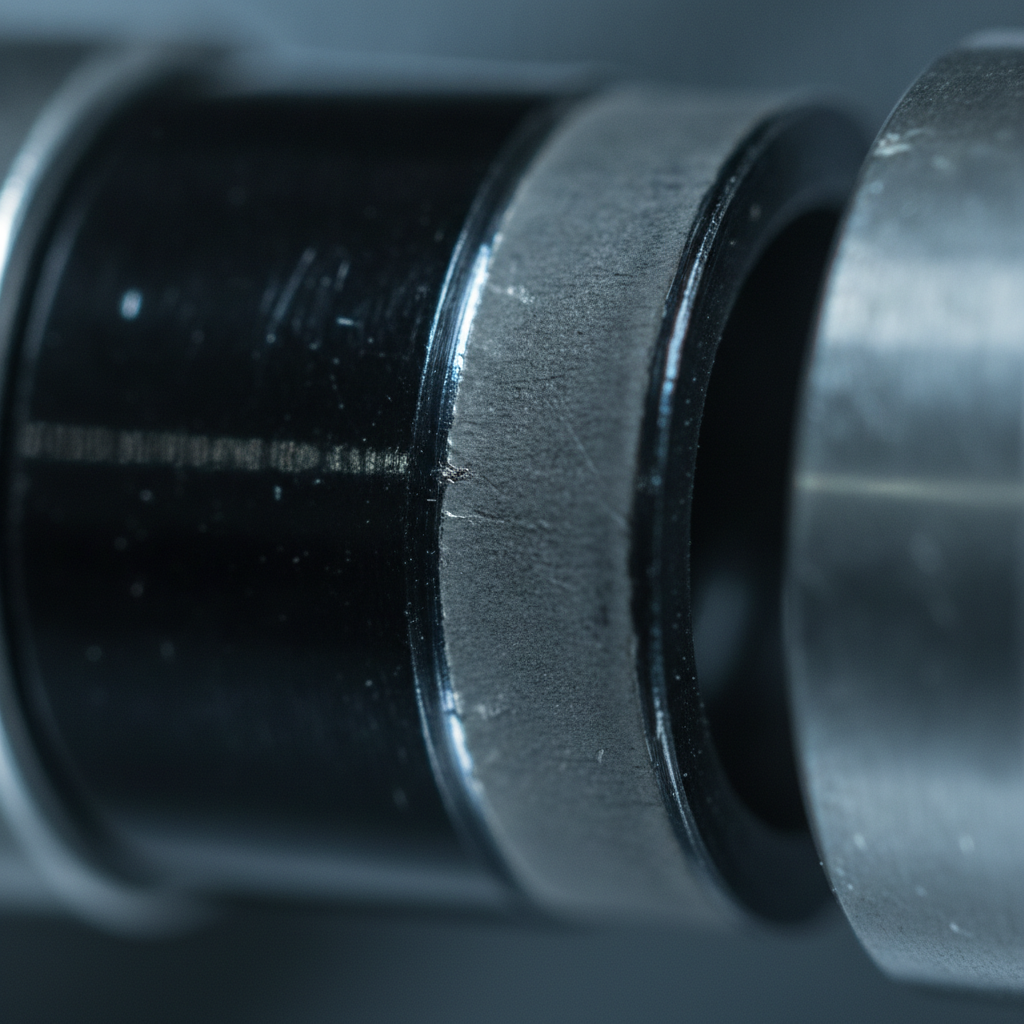
PVD vs DLC — Side-by-Side Comparison
Use DLC for sliding wear and release (low µ, high wear resistance). Choose nitrides/carbides for high heat, abrasion, or when you need metallic colors. Many production stacks pair a nitride base with a DLC top to balance adhesion and slickness.
| Factor | DLC (a‑C / a‑C:H) | Other PVD films (TiN, AlTiN, CrN) |
|---|---|---|
| Primary benefit | Ultra‑low friction, excellent sliding wear | Hot hardness, oxidation resistance, color control |
| Typical thickness | ~1–3 µm | ~2–5 µm |
| Hardness (approx.) | ~1,500–3,500 HV | ~2,000–3,000+ HV depending on chemistry |
| Friction (dry) | ~0.05–0.12 vs. steel | Often ~0.3–0.4 for TiN; varies by finish |
| Heat tolerance | Classic a‑C:H can soften/graphitize above ~300°C | AlTiN/TiAlN thrives at elevated temps |
| Appearance | Uniform black | Gold/gray/dark violet or metallic black |
That friction delta explains why pvd dlc coating is the go‑to on sliding pairs and sticky resins, while AlTiN/TiAlN lead on cutting at heat. For broader context on PVD film families, see our PVD fundamentals.
Which Coating Fits Your Application?
Match film to failure mode. DLC handles stick‑slip, galling, and release. Nitrides/carbides handle abrasion and heat. When thermal load is extreme or you need thickness, our Thermospray (Pulsed HVOF) often outperforms thin films.
Stamping
- Typical issues: Galling on draw beads, scuffing on trim steels, lube instability.
- Our go‑to: DLC top over CrN/TiCN base on wear sections to reduce friction while keeping edge toughness.
- Why: µ drops near ~0.1 dry, stabilizing sheet flow; base nitride supports load.
Machining and cutting tools
- Non‑ferrous (Al, Cu, graphite): DLC stops built‑up edge and sticking.
- Ferrous at heat: AlTiN/TiAlN win for hot hardness and oxidation resistance; DLC can degrade when temps spike.
Plastic injection molds
- Release and cleanliness: DLC on pins, cores, slides reduces cleanups and helps venting.
- Abrasive/glass‑filled resins: DLC or CrN depending on abrasion vs. release balance.
- Deep dive: our DLC services guide.
Aluminum die cast / extrusion
- Hot soldering and washout: Nitrides/carbides for thin‑film protection on ancillary parts.
- Heavy thermal/mechanical load: Consider Thermospray (Pulsed HVOF) with WC‑based coatings for shot sleeves and dies where you need thicker, rebuildable layers.
Components (pumps, valves, slides)
- Mixed lubrication/start‑stop wear: DLC on wear pairs; CrN underlayer where corrosion assists the damage.
DLC on ferrous steels at heat: the critical caution
- What happens: Hydrogenated DLC (a‑C:H) can lose sp3 content and graphitize as surface temperature approaches ~300°C, increasing friction and wear.
- Better options: Hydrogen‑free ta‑C variants handle higher heat (often into the ~350–400°C band), or switch to AlTiN/TiAlN for sustained high‑temp cutting.
- Our practice: We recommend ta‑C or nitride stacks for hot ferrous duty; DLC stays on lower‑temp sliding and release roles.
How the Coating Process Works at a Service Provider
Quality coatings start with a disciplined workflow: inspect, clean, texture, mask, fixture, deposit, finish, and verify. Sputtek performs every step in‑house, then runs production in high‑capacity SPUN chambers for repeatability across batches.
- Incoming review: Alloy, heat treat, prior coatings, and critical fits.
- Degreasing & cleaning: Remove oils and residues; confirm cleanliness before chambering.
- Surface texturing: Sandblasting/microblasting to a target Ra matched to duty.
- Masking & fixturing: Protect fits and orient geometry for uniform thickness.
- Deposition: PVD program (arc/sputter/hybrid). DLC often runs over a nitride base.
- Finishing & QC: Lapping/polishing where needed; thickness and adhesion checks in our QC lab.
When thin films can’t carry the thermal/mechanical load, we switch lanes: our Thermospray (Pulsed HVOF) cell applies rebuildable, thicker coatings—common on die‑cast shot sleeves and extrusion tools. Different process, same in‑house prep discipline.
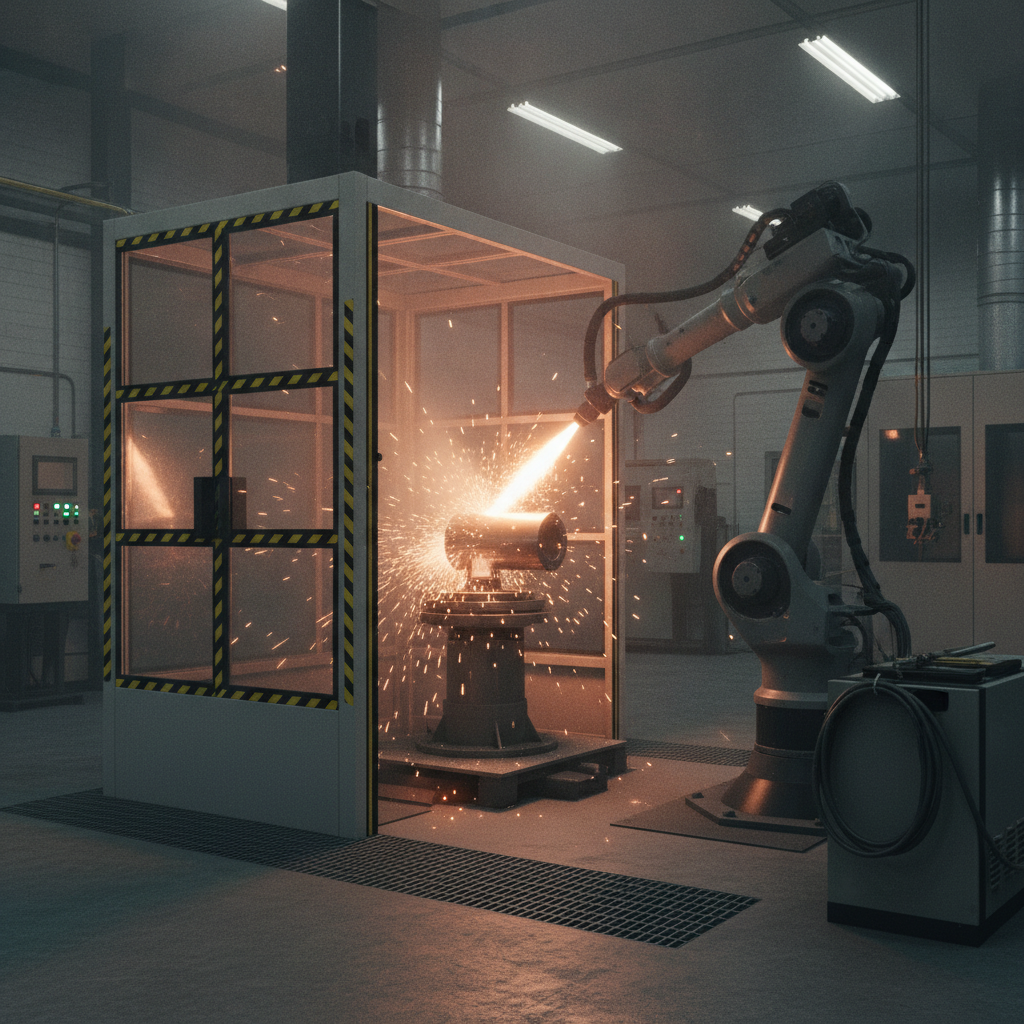
Preparation and Post-Coating Steps That Affect Performance
Most failures trace back to prep and finishing. Control cleanliness, texture, masking, and after‑coating lapping. The right surface lets the film do its job; the wrong prep seeds delamination, galling, or fouling.
Preparation that sticks
- Cleanliness: Oils and embedded media undermine adhesion—verify before chambering.
- Texture (Ra/Rz): Set roughness to the duty: slicker for release, more “tooth” for abrasive support.
- Base metallurgy: Heat treat, nitriding, or platings change adhesion—share this history on intake.
Post steps that pay off
- Lapping/polishing: Smooth coated surfaces for lower friction and easier cleaning.
- Documentation: QC checkpoints preserve repeatability between batches and regrinds.
Uniform prep matters across coating types. For a quick mental model, even epoxy‑coated rebar and epoxy‑coated bars rely on surface condition and continuous coverage—principles shared with PVD and Thermospray work.
How to Choose a PVD/DLC Coating Service Provider
Choose a shop for results: certified systems, in‑house prep and finishing, scalable chambers, and direct access to engineers. Local support in Woodbridge reduces trial loops and stabilizes production faster than remote, multi‑hop workflows.
- Certified quality: ISO 9001:2015 and Nuclear N299.3 approvals align with regulated programs.
- In‑house capability: Blasting, cleaning, stripping, polishing, lapping, and QC under one roof.
- Capacity & scale: SPUN 2,000 and 4,000 systems for consistent large‑batch work.
- Broader toolkit: DLC and nitride stacks plus Thermospray/Pulsed HVOF when thickness wins.
- Direct engineering access: Work with our team in Woodbridge; no ticket portals.
Global providers like Oerlikon Balzers, Ionbond, Bodycote, and Oerlikon Metco have deep networks. Our advantage is hands‑on, local collaboration—walk in, review parts on the bench, and align on prep and fixturing the same day.
Not sure DLC or AlTiN fits? Book a 15‑minute call with our Woodbridge engineers. We’ll review the failure mode and recommend a stack. Start with our DLC guide.
Local considerations for Woodbridge
- Time drop‑offs around activity near Weston Rd / Highway 7 to keep trials on schedule.
- Seasonal humidity shifts can affect cleanliness; our QC lab checks surfaces before chambering.
- If you’re staging parts near SmartCentres Woodbridge, call ahead so we align load/unload with your truck route.
Compatibility matters across coating stacks. In auto finishes, a PPF‑plus‑ceramic example shows why substrate and top‑coat chemistry must work together—the same logic we apply when pairing nitride bases with DLC tops.
FAQ
Here are direct answers to the most common DLC vs. nitride questions we hear from Woodbridge manufacturers, focused on fit, prep, and scaling from trials to production.
Is DLC a type of PVD coating?
Yes. DLC is a diamond‑like carbon film typically deposited in a PVD chamber. PVD is the process family; films like DLC, TiN, AlTiN, and CrN are options we choose based on heat, abrasion, and sliding at the part surface.
When does DLC underperform on steels?
Classic hydrogenated DLC (a‑C:H) can shift toward graphitic behavior as surface temperatures approach ~300°C, raising friction and wear. For hot ferrous duty, we recommend hydrogen‑free ta‑C variants or nitride stacks like AlTiN/TiAlN, which hold up at temperature.
What thickness do you usually apply?
For DLC, we typically target ~1–3 µm depending on geometry and duty. Non‑DLC PVD films like AlTiN or CrN often run ~2–5 µm. The best band depends on edge retention, load, and required release.
Can you scale from a few prototypes to production?
Yes. Our SPUN 2,000 and SPUN 4,000 systems support prototypes through large fixtures. We lock fixturing and prep during trials, then replicate settings so adhesion, thickness, and finish hold across batches.
Author
Key takeaways
- PVD is the process; DLC is a specific low‑friction carbon film inside that family.
- Pick films by failure mode: sliding/release (DLC) vs. heat/abrasion (nitrides/carbides).
- Watch DLC on hot ferrous steels; use ta‑C or AlTiN/TiAlN instead.
- Prep and post steps drive adhesion, finish, and uptime more than anything else.
- Thermospray (Pulsed HVOF) covers heavy‑load cases where thin films can’t.