
Physical Vapor Deposition coating is a vacuum process that deposits thin, hard films—TiN, CrN, AlTiN, and DLC—onto tools and components. Define PVD coating this way: a micron‑scale layer that lowers friction and resists wear without moving tolerances. In Woodbridge shops, that means fewer die repairs and longer intervals between tool changes.
By Ron — Sputtek • Last updated: 2026-07-13
| Facility | Modern 15,000 sq ft coating center (Greater Toronto Area) |
|---|---|
| Certifications | ISO 9001:2015; Nuclear N299.3 approved vendor |
| Industries | Automotive, aerospace, oil & gas, nuclear, defense, medical, pharma, food & packaging |
| In‑house workflow | Sandblasting, microblasting, cleaning, stripping, polishing, lapping, QC lab testing |
| PVD systems | SPUN 2,000 (to ~1,200 kg/cycle); SPUN 4,000 (to ~3,000 kg/cycle); custom |
| Also offered | Thermospray (Pulsed HVOF) for thick, tough overlays |
| Service area | Woodbridge and the Greater Toronto manufacturing corridor |
Overview
PVD creates dense, adherent, low‑friction films that protect critical tooling and components. Locally, that translates to longer intervals between tool changes, steadier part quality, and fewer unplanned stops. Our in‑house prep and QC close the loop so results repeat from pilot to high‑volume.
If you’ve ever pulled a die after a short run and found pickup on galvanized stock, you’ve felt why coatings matter. We built blasting, degreasing, masking, deposition, lapping, and a QC lab under one roof so the same part comes out the same way—every time. For context beyond this page, see our complete PVD guide.
What Is PVD Coating? (Quick Definition)
PVD (Physical Vapor Deposition) turns a solid target into vapor in high vacuum and condenses it as a hard, thin film on your part. We use chemistries like TiN, CrN, AlTiN, and DLC to cut friction and resist wear while leaving dimensions essentially unchanged.
Define PVD coating in production terms: a uniform, engineered layer measured in microns that changes how your surface slides, sticks, and wears. On a sharp carbide tool we’ll hold nearer the low end of the thickness window; on stamping faces and mold cores, we’ll bias thicker and then lap to a target finish. A good primer is our physical vapor deposition overview.
How the PVD Process Works — From Prep to Finish
Adhesion and performance come from process discipline: clean and activate the surface, fixture for even line‑of‑sight, deposit under controlled plasma/temperature, then lap and verify. Keeping the entire workflow in‑house removes variables that cause failures.
Prep is where most coatings are won or lost. If oil hides in a blind hole, the part comes out with rainbow blotches and edges that flake early. We strip, degrease, and microblast to a consistent profile, then mask fits and vents. On a complex die insert, “tight masking” means knife‑edge definition around shut‑offs and ejectors with zero bleed‑under.
Inside the chamber, chemistry and bias set hardness and stress. Repeatable fixtures matter: we’ll load an entire progressive die set into our SPUN 4,000 so every station sees the same plasma history—no cross‑batch variance. Post‑coat, we lap to the target Ra (often polished for release) to cut startup scuffing. We document thickness, adhesion, and microhardness in our QC lab so you can tie lab values to press or spindle results. Our practical process list lives in this PVD process guide.
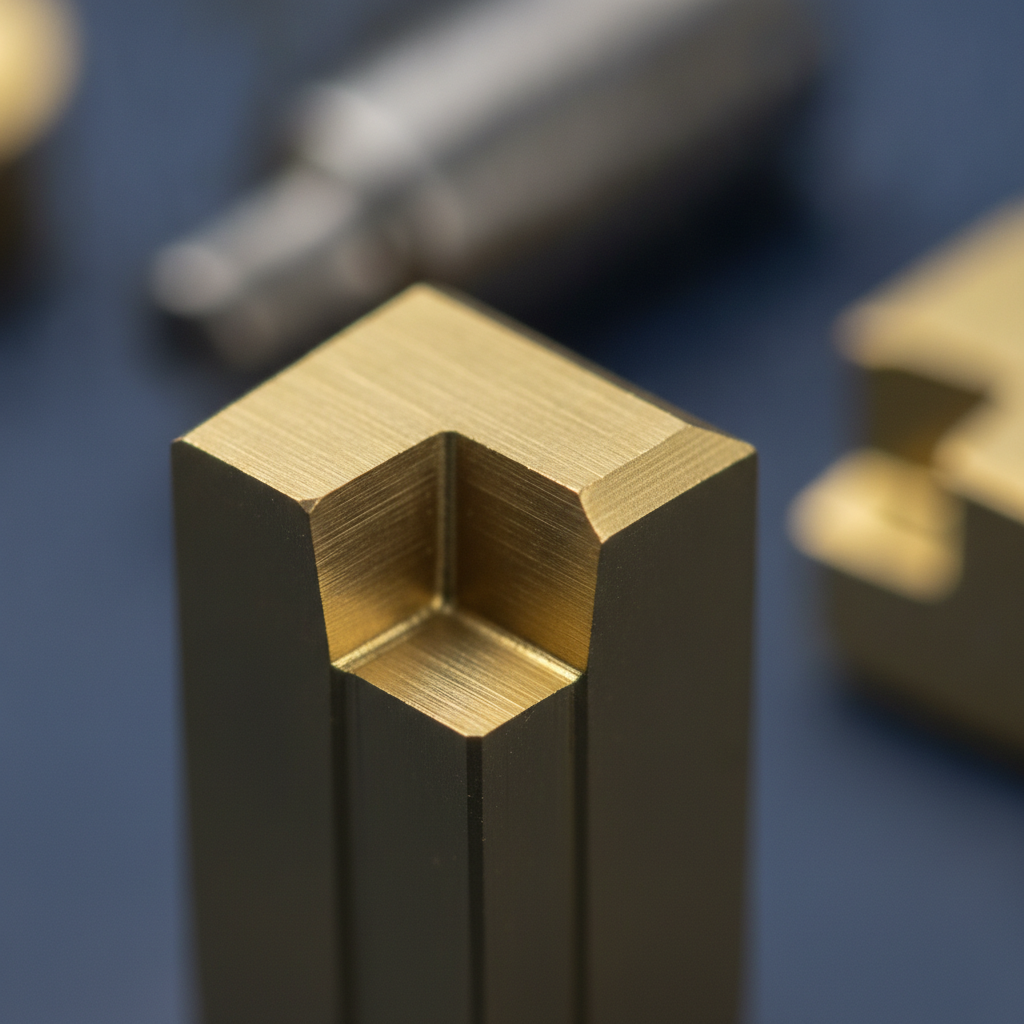
PVD Coating by Application: Which Industries and Tools Benefit Most
Use PVD where friction, heat, or abrasive wear limits throughput: stamping dies, carbide/HSS tooling, plastic molds, aluminum die cast cores, and precision components. Match chemistry and finish to the failure mode you see on the floor.
Stamping (AHSS, galvanized): On zinc‑coated sheet, TiN tends to gall; we default to CrN at practical thickness and a polished face to cut pickup and extend maintenance intervals. The win shows up as cleaner parts and steadier press speeds.
Machining and cutting: For high‑speed or dry conditions, AlTiN on carbide helps hold edge integrity; for sliding and chip evacuation in gummy alloys, DLC’s low friction improves consistency. Edge life is only as good as prep and post‑coat finish.
Plastic processing: Polished nitrides on gates/cores reduce release force and heat checking in longer campaigns. We often lap after coating to tune eject dynamics.
Aluminum die cast/extrusion: PVD resists soldering and washout on cores and pins. Where erosion or rebuild is the main issue, we’ll steer you to Thermospray (Pulsed HVOF) for a thicker, tougher overlay, then finish critical faces with PVD if friction control is still needed.
Components: Valve parts, pump elements, and medical instruments gain wear and corrosion resistance without bulk—useful where clearances are tight and repeatability matters.

Key PVD Coating Properties Engineers Actually Spec For
Design for the property your failure mode demands: lower friction for sticking, higher hot hardness for edge wear, or dense films for coolant exposure. Thickness guidance is simple: thinner on sharp tools, thicker on dies and molds, then lap to finish.
Low friction reduces adhesive wear and sticking on galvanized sheet and some plastics. Hot hardness keeps edges from softening in high‑speed or dry cutting. Dense films slow corrosion in coolant. We capture microhardness, thickness, and adhesion on coated coupons for each campaign, and our PVD finishing guide explains how lapping influences release.
PVD vs. Other Surface Treatments (Thermospray / CVD / Electroplating)
PVD is a thin, hard, low‑friction film deposited at moderate temperatures. Thermospray (Pulsed HVOF) builds thick, tough overlays for erosion or dimensional rebuild. CVD runs hotter with excellent conformity. Electroplating is economical for thickness but lacks PVD tribology.
| Method | Process temp | Typical thickness | Where it shines | Shop‑floor example |
|---|---|---|---|---|
| PVD | Moderate | 1–5 µm | Hard, low friction, minimal dimensional impact | Stamping die faces, carbide inserts, mold cores |
| Thermospray (Pulsed HVOF) | Low at substrate | 50–500+ µm | Tough, erosion/corrosion‑resistant, dimensional build‑up | Worn shafts/sleeves, erosion‑prone pins |
| CVD | High | 1–10 µm | Excellent conformity, high‑temp stability | Carbides/ceramics, hot tooling |
| Electroplating | Low | 10 µm–mm | Economical thickness, uniform coverage | Corrosion protection, repair base layer |
If you’re used to polymer layers, this overview of thermoplastics vs. thermosets shows why ceramic‑like PVD films behave differently. Automated lines also vary widely—see an industrial coating automation example. Consumer protection films are a separate world; this self‑healing film primer highlights the difference.
How to Choose a PVD Coating Service Provider
Pick a partner that controls prep, deposition, and lapping in‑house, proves results with lab data, and scales from pilot to volume. Local support in Woodbridge shortens debug loops and stabilizes production.
Keep the workflow under one roof. Cleaning, blasting, masking, deposition, lapping, and QC should be integrated. It’s how you avoid adhesion variance and thickness swings between batches. Our SPUN 2,000 and SPUN 4,000 capacity means we can coat an entire progressive die set in one go—stations age uniformly and you avoid cross‑batch drift. Explore applications in our PVD applications overview and local tool coating guide.
Insist on certifications and documentation. ISO 9001:2015 and Nuclear N299.3 matter if you serve regulated sectors. We log thickness, microhardness, and adhesion on every campaign and align with your first‑article results.
Look for a true decision fork. A provider that also runs Thermospray (Pulsed HVOF) can tell you honestly when a thick overlay is smarter than a thin film—and finish critical faces with PVD if friction control is still needed.
Need a fast, reliable trial? Book a brief assessment with Sputtek’s engineering team in Woodbridge. We’ll review your failure mode, recommend a film and prep route, and run a pilot so you can validate on your line.
Local considerations for Woodbridge
- Schedule pickups to avoid traffic knots around Weston Rd / Highway 7—helps keep turnaround predictable.
- Humidity swings can change incoming surface condition; bundle cleaning + coating in one trip to protect adhesion.
- If you operate near SmartCentres Woodbridge, consolidate small tools with large dies to maximize chamber utilization.
Key Takeaways
PVD is a controlled, vacuum‑deposited film that cuts friction and wear with minimal dimensional impact. Success depends on tight prep, the right chemistry, and repeatable QC—especially when you scale beyond trials.
- Define PVD coating around your failure mode: sticking, abrasive wear, or heat.
- Prep and fixturing quality drive adhesion and even thickness.
- DLC favors low friction; AlTiN favors hot cutting; CrN balances wear/corrosion.
- Lapping locks in release and smooth startup after coating.
- Capacity to run full sets in one cycle prevents cross‑batch variation.
Frequently Asked Questions
These fast answers reflect what we validate in our QC lab and on local production lines—focused on dimensions, materials, and film selection.
Will PVD move my tolerances?
Not in a meaningful way when planned correctly. Thickness is typically in the low single‑digit microns, and we mask critical fits or edges as needed. Post‑coat lapping adjusts Ra without shifting tolerances. For sharp cutting tools, we favor thinner films to protect edge geometry.
Which base materials take PVD well?
Tool steels, stainless steels, and carbides are common. Some nonferrous alloys can be coated at lower temperatures. We match chemistry and temperature to your substrate and service, then verify adhesion before release.
How do I choose between PVD and Thermospray?
Use PVD for thin, hard, low‑friction films where dimensions matter. Choose Thermospray (Pulsed HVOF) when you need thickness, toughness, or dimensional rebuild—like erosion‑prone pins or worn shafts. We often combine them: Thermospray for bulk, PVD for surface tribology.
Can you document coating quality for audits?
Yes. We record thickness, microhardness, and adhesion results and can provide lot‑linked certificates. Pilot runs with coupons and first‑article parts connect lab values to your real production metrics.