
Automotive stamping is the high-volume forming of sheet metal into vehicle parts using matched dies in mechanical or hydraulic presses. It depends on press tonnage, lubrication, and die condition to shape AHSS and aluminum. At 110 Sharer Rd in Woodbridge, Sputtek applies PVD/DLC and Thermospray solutions that cut die wear and galling for steadier throughput.
By Ron — Last updated: 2026-06-14
Summary
This guide explains automotive stamping from first principles to shop-floor execution. You’ll learn how presses, dies, and lubricants interact, why AHSS and aluminum demand upgraded surfaces, and where PVD/DLC and Thermospray coatings eliminate wear and galling. We include best practices, tool choices, quick checks, local tips for Woodbridge, and actionable next steps.
- Who it’s for: Manufacturing engineers, die makers, production and quality leaders, and sourcing teams.
- What you’ll learn: Core stamping mechanics, die materials, common failures, and surface-engineering fixes.
- Why it matters: Longer die life, fewer unplanned stops, tighter dimensional control, and a smoother PPAP path.
- Where Sputtek fits: PVD/DLC coatings, Thermospray (Pulsed HVOF), in-house prep and lapping, and high-capacity SPUN PVD systems.
Jump to: What is stamping? • Why it matters • How it works • Types and methods • Die materials and coatings • Best practices • Tools and resources • Case studies • Woodbridge & York Region • FAQ
What Is Automotive Stamping?
Automotive stamping is the process of forming flat sheet into complex vehicle components with precision dies and high-tonnage presses. It covers blanking, piercing, drawing, bending, and flanging for steels and aluminum. Consistent die surfaces, lubrication, and press control determine dimensional accuracy, surface finish, and part-to-part repeatability.
In practice, a coil or blank feeds into a press where upper and lower dies shape the sheet. Operations can be single-hit, progressive, transfer, or tandem lines. The combination of die geometry, press curve, binder force, and lubricant defines whether parts meet spec without splits, wrinkles, or orange peel.
- Core sequence: Locate blank → close press → draw/form → trim/pierce → restrike/hem → unload.
- Critical variables: Material grade and thickness, press speed, lube viscosity, tool steel hardness, surface roughness (Ra), and coating adhesion.
- Typical press capacity: From compact 100–400 ton presses for brackets to multi‑station tandem lines exceeding 2,000 tons for large body panels.
For AHSS over ~1,000 MPa tensile strength, friction spikes rapidly without a robust surface strategy. That’s where engineered coatings—like Sputtek’s PVD/DLC—stabilize friction, reduce adhesion, and hold dimensional tolerances longer between maintenance cycles.
Why Automotive Stamping Matters Now
Automotive stamping sets the pace for vehicle body and structural production. As AHSS content grows and aluminum remains vital for closures, dies face higher contact pressures and heat. Surface engineering and disciplined maintenance prevent galling, reduce die changes, and protect OEE in competitive, high-mix programs.
OEMs continue to push lightweighting and crash performance. This means more dual‑phase, TRIP/TWIP, and press‑hardened steels, plus aluminum for hoods, doors, and tailgates. These materials raise forming loads and sensitivity to lubrication breakdown. Unplanned die pulls ripple through weld and paint shops, compounding downtime.
- Business impact: Stable die surfaces sustain takt, cut rework, and keep dimensional capability inside PPAP limits longer.
- People impact: Fewer emergency interventions mean safer changeovers and clearer standard work.
- Quality impact: Lower burr, cleaner edges, and smoother panel cosmetics lower sorting and downstream fit‑and‑finish issues.
We’ve seen stamping plants extend maintenance intervals once galling on radii and draw beads is controlled. In our experience, that improvement often coincides with a deliberate coating, surface finish, and lube match—not a single silver bullet.
How Automotive Stamping Works
Stamping converts a flat blank into a net‑shape part through controlled deformation in a press. Success depends on blank geometry, binder force, draw bead design, lubrication, and die surface condition. Aligning these elements prevents splits, wrinkles, and galling while hitting dimensional targets at production speed.
Step‑by‑step process you can audit
- Blanking and coil feed: Verify edge quality, burr direction, and oil weight; poor edges seed cracks in draw.
- Die set‑up: Inspect die face, beads, and radii for wear or micro‑welding; confirm nitrogen/binder settings.
- Lubrication: Check viscosity and application uniformity; dry patches are galling hot spots.
- First‑off validation: Measure FLD (forming limit) zones and critical radii; adjust binder/draw beads before rate‑up.
- Rate‑up and control: Lock press speed, stroke, and cushion profile; monitor part cosmetics and trim burr height.
- Maintenance triggers: Define visual and metrology cues (polish lines, Ra drift, burr increase) that pull the die proactively.
Quick checks that prevent scrap
- Shine a light across radii and beads; a hazy patch is often early adhesive wear.
- Swipe test with a lint‑free pad after a run; black transfer suggests breakdown in lubrication or coating.
- Track Ra on radii and add PVD/DLC when Ra control alone can’t hold stable friction.
When the substrate is right but friction isn’t, coating becomes the lever. Sputtek’s coatings are designed to integrate with your polishing and lapping regime so you control roughness and adhesion together.
Types of Stamping and Presses
Automotive stamping spans single‑hit, progressive, transfer, and tandem operations on mechanical or hydraulic presses. Matching operation type to part geometry, material, and throughput targets ensures rate and quality. AHSS body‑in‑white panels often favor tandem lines; small brackets lean progressive or transfer.
Operation types
- Single‑hit: One operation per station; flexible for service parts and development.
- Progressive: A strip advances through stations to pierce, form, and cut off; great for high‑volume small parts.
- Transfer: Individual blanks move station to station via transfer tooling; useful for deeper draws.
- Tandem: Multiple presses in sequence build large panels; typical for hoods, roofs, and door outers.
Press selection
- Mechanical presses deliver speed and are common for piercing and shallow draws.
- Hydraulic presses provide full‑stroke tonnage and control for deep draws or complex geometries.
- Servo presses mix speed with programmable motion; helpful for AHSS forming windows.
| Use case | Best fit | Notes |
|---|---|---|
| Large exterior panels | Tandem line, servo/hydraulic | Focus on binder control and lube stability |
| Brackets and reinforcements | Progressive, mechanical | Edge quality and burr control dominate |
| Deep drawn cups | Transfer, hydraulic | Die surface and draw bead tuning are critical |
Press technology keeps evolving, but your friction strategy still makes or breaks capability when new grades arrive or rates climb.
Die Materials, Wear Modes, and Coatings
Wear in stamping dies is dominated by adhesive transfer (galling), abrasive scratches, and edge chipping. Tool steel choice, polish/lap quality, and the right thin‑film or thermal‑spray coating suppress these modes. PVD/DLC reduces sticking on AHSS and aluminum; Thermospray adds thickness and toughness where needed.
Common die materials
- Tool steels: D2, A2, M2 for balance of hardness and toughness.
- Carbides: Excellent wear but brittle; suited to certain punches and inserts.
- Cast irons and aluminums: Used in prototyping or low‑load regions; surface treatment is vital.
Primary wear modes
- Adhesive (galling): Micro‑welding and material pickup, often on radii and beads—aluminum and some AHSS grades are susceptible.
- Abrasive: Hard inclusions or debris cut the surface, raising Ra and friction.
- Edge failure: Micro‑chipping on trims/pierces raises burr height and accelerates wear.
Surface engineering that works on the floor
- PVD coatings (TiN, CrN, AlTiN, etc.): Dense, adherent thin films that lower coefficient of friction and block adhesion.
- DLC (diamond‑like carbon): Very low friction with excellent release on aluminum and high‑strength steels; great for draw beads and radii.
- Thermospray (Pulsed HVOF): Adds microns to hundreds of microns of tough, wear‑resistant material to rebuild or armor localized regions.
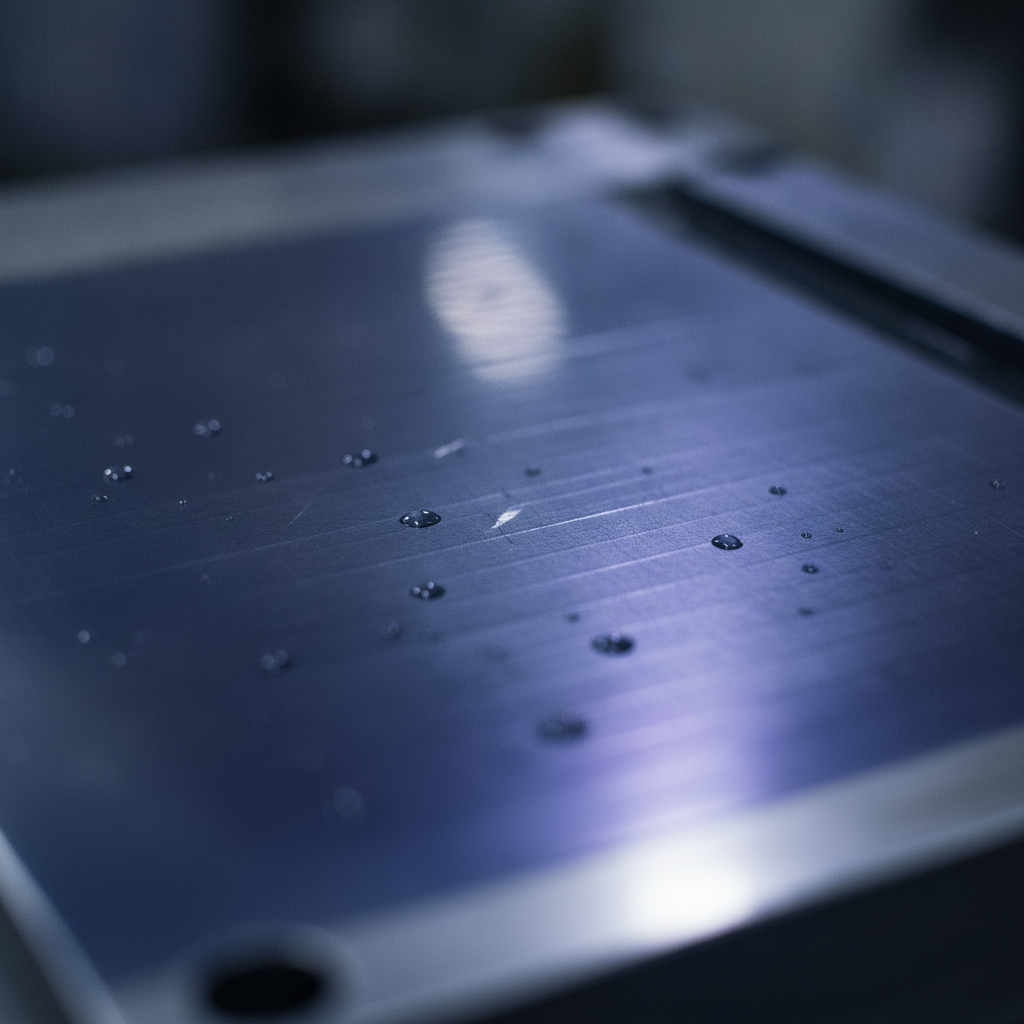
In our coatings lab, we pair lapping targets with specific coatings so the assembled system hits the friction window you need. Sputtek’s PVD coating guide and complete DLC guide outline selection logic by substrate and operation type.
Coating choices for common problems
- Aluminum pickup on radii: DLC or CrN; maintain Ra and clean regularly.
- AHSS scuffing on beads: AlTiN or DLC; confirm lubricant film strength.
- Pierce burr growth: AlTiN on punches; verify punch‑die clearance and sharpen protocol.
- Localized washout: Thermospray rebuild plus finish‑grind and PVD topcoat for hybrid toughness + release.
When dies are oversized or under OEM embargo for weld changes, surface engineering is often the fastest legal path to regain capability without redesign.
Best Practices for Die Uptime and Quality
The best stamping lines standardize friction control, metrology, and maintenance. Define surface targets, choose a coating‑polish pair, and monitor Ra and burr height at the line. Trigger proactive die pulls before defects propagate. Document the recipe so crews replicate it across shifts and tools.
Baseline your surfaces
- Set Ra/Rz targets by operation and material; track them on critical radii and beads.
- Standardize polish and lapping sequences so coated tools come back identical every time.
- Keep a simple visual map of hot spots per die to guide inspections.
Stabilize friction
- Match lubricant to material and coating; check viscosity at operating temperature.
- Use swab tests after runs to detect transfer; adjust lube delivery or schedule re‑cleaning sooner.
- Where lube windows are narrow, use DLC on beads and radii to widen the safe range.
Institutionalize proactive pulls
- Define metrology limits for burr, edge rollover, and profile; tie them to maintenance triggers.
- Pull dies on trend lines, not emergencies; you’ll protect OEE and operator safety.
- Record defect escapes and back‑trace to surface condition to refine targets.
We’ve found plants sustain gains when the surface recipe becomes part of PPAP documentation and is visible at the press—so every shift runs the same playbook.
Tools and Resources You Can Use
Pair the right metrology and coating partners to make changes stick. Use roughness probes, portable microscopes, and burr gauges at the press. For surfaces, lean on proven PVD/DLC and Thermospray workflows with integrated cleaning, blasting, and lapping under one roof.
- Explore Sputtek’s PVD types overview to match film chemistry to your substrate.
- See our high‑performance coatings for stamping dies, beads, and punches.
- Learn the PVD sputtering best practices we apply on production tooling.
- Bookmark our DLC coating process for release‑critical aluminum operations.
- When scale matters, review PVD coating essentials that tie prep, coating, and lapping together.
Because Sputtek runs in‑house sandblasting, microblasting, cleaning, stripping, polishing, lapping, and QC testing, your die returns to the press faster and more predictable—prototype to volume.
Case Studies and Real‑World Examples
Surface engineering reduces unplanned downtime in stamping. These quick examples show how PVD/DLC and Thermospray stabilize friction, extend intervals between pulls, and improve panel cosmetics on AHSS and aluminum programs without die redesign.
1) Aluminum hood outer: radii pickup eliminated
- Problem: Visible pickup bands on large radii after short runs; cosmetic rejects downstream.
- Action: DLC on radii and beads plus lube adjustment; standardized lapping before coat.
- Result: Clean release, smoother panels, fewer stops to hand‑polish between runs.
2) AHSS B‑pillar inner: draw scuffing controlled
- Problem: Scuffing lines on high‑pressure draw zones; early splits at rate.
- Action: AlTiN on critical areas; draw bead retune and oil film verification.
- Result: Stable draw window at production speed with repeatable part quality.
3) Transfer die for deep cup: localized washout
- Problem: Erosion on a small high‑load region causing rapid Ra drift.
- Action: Thermospray rebuild then finish‑grind and PVD topcoat.
- Result: Toughness where needed plus low friction; longer interval between interventions.
These patterns show up repeatedly: get the surface recipe right, then lock it into standard work so it survives shift changes and model refreshes.
Stamping in Woodbridge and the Regional Municipality of York
Woodbridge stamping teams operate near Tier‑1 suppliers and logistics routes across the Regional Municipality of York. Proximity to Sputtek’s 110 Sharer Rd facility shortens turnarounds. Local support for PVD/DLC and Thermospray helps stabilize AHSS and aluminum programs without risky die redesigns.
Local considerations for Woodbridge
- Plan die pulls to align with shift changes and courier windows around SmartCentres Woodbridge traffic peaks.
- Seasonal humidity swings can affect lube behavior; validate your friction recipe before summer and winter changeovers.
- For quick drop‑offs and pickups, crews often time routes near Weston Rd / Highway 7; coordinate paperwork to speed hand‑offs.
When you can hand a die to a coating partner minutes away—and get it back finished, lapped, and documented—you remove uncertainty from your production schedule.
Coating Strategies: Quick Comparison
Choose coatings by failure mode and material. DLC excels at release on aluminum and select AHSS; AlTiN/CrN are robust on steel contact; Thermospray rebuilds or armors hot spots. Pair coatings with a defined polish/lap target and a lubricant your crew can hold steady at the press.
| Scenario | Recommended approach | Why it works |
|---|---|---|
| Aluminum pickup on radii | DLC on radii + lube check | Ultra‑low friction improves release and surface finish |
| AHSS scuffing on beads | AlTiN or DLC + bead retune | Hard, slick surface stabilizes friction |
| Edge wear on punches | AlTiN + sharpen protocol | Hard coating resists micro‑chipping |
| Localized washout | Thermospray rebuild + PVD topcoat | Hybrid toughness with controlled friction |
Talk With a Surface Engineering Partner
If you’re battling galling, scuffing, or unpredictable friction windows, a coating‑plus‑polish recipe can restore capability fast. Sputtek’s in‑house prep, PVD/DLC, Thermospray, and lapping simplify logistics and make your results repeatable—prototype to production.
Let’s map your top three die issues to a surface plan we can sustain across shifts. We’ll align polish targets, pick coatings, and document maintenance triggers so teams know exactly when to pull and why.
Frequently Asked Questions
These concise answers cover the questions stamping teams ask most about die wear, coatings, and integrating surface engineering without disrupting production.
What causes galling on aluminum panels?
Aluminum readily adheres to tool steel at high contact pressures, especially on radii and draw beads. Inconsistent lubrication and rougher surfaces accelerate pickup. A DLC or CrN coating over a controlled polish/lap routine lowers friction and creates a release‑friendly surface.
Do coatings replace good lubrication?
No. Coatings stabilize friction and reduce adhesion, but they work best with a lubricant that holds film strength at your operating temperature and speed. Many plants widen the “safe window” by pairing DLC on beads/radii with a verified oil weight and delivery pattern.
When should I choose Thermospray over PVD/DLC?
Use Thermospray (Pulsed HVOF) when you need to rebuild a worn region or add a tougher, thicker surface before applying a thin‑film topcoat. It’s ideal for localized washout or impact‑prone zones where a thin PVD layer alone can’t carry the load.
Will coatings change my die dimensions?
Thin‑film PVD/DLC adds only microns, typically within finish‑polish allowances. We coordinate lapping targets so net geometry stays inside your tolerance while the surface becomes more wear‑ and release‑friendly.
Can I standardize a coating recipe across multiple dies?
Yes. Start by grouping dies by material, operation, and failure mode. Define a polish/lap target and a coating for each group, then lock it into work instructions. This reduces variability and speeds troubleshooting across programs and shifts.
Key Takeaways
Automotive stamping performance lives and dies with surface control. Define your friction window, pair polish/lap with the right coating, and monitor Ra and burr trends. Local partners who integrate prep, coating, and lapping shorten turnarounds and keep the playbook consistent.
- Stamping success = press control + die surface + stable lubrication.
- AHSS and aluminum push contact pressures higher; friction control is non‑negotiable.
- PVD/DLC lowers adhesion; Thermospray adds toughness or rebuilds hot spots.
- Standardize the recipe and trigger proactive die pulls on trend, not failure.
- Local support near Woodbridge reduces logistics risk and downtime.
Conclusion: Turn Friction Control Into a Repeatable Process
Treat surface engineering as a system—prep, coating, and polish—tied to metrology at the press. When coatings, lube, and maintenance agree, OEE stabilizes and cosmetic quality improves. The fastest gains come from consistent recipes your team can repeat, not one‑off fixes.
If your automotive stamping line is fighting galling, burr growth, or scuffing on AHSS or aluminum, our engineering team at Sputtek can help translate problems into a coating‑plus‑polish plan. Visit us at 110 Sharer Rd in Woodbridge to schedule a discovery session and align on targets your team can hold.
For additional context on steel forming products and profiles used in manufacturing supply chains, see these explainers on steel profile basics, metal stud fundamentals, and a broader steel studwork overview. While focused on construction products, they illustrate how material specs and profile geometry drive process choices.