
Tool coating is the engineered application of hard, low-friction layers to cutting, forming, and molding tools to fight wear, heat, and sticking. In Woodbridge production cells, the right coating choice means fewer stoppages, steadier dimensions, and more good parts per shift—without redesigning your dies, molds, or cutters.
By Ron — Sputtek • sputtek.com • Last updated: 2026-07-12
| Facility size | Modern 15,000 sq ft coating facility |
|---|---|
| Certifications | ISO 9001:2015; Nuclear N299.3 approved vendor |
| Core technologies | PVD (including DLC) and Thermospray (Pulsed HVOF) |
| System capacity | SPUN 4,000 up to 3,000 kg/cycle; SPUN 2,000 up to 1,200 kg/cycle |
| In-house processes | Sandblasting, microblasting, degreasing/cleaning, stripping, polishing/lapping, QC lab |
| Industries served | Automotive, aerospace, oil & gas, nuclear, defence, medical, pharma, food & packaging |
| Service coverage | Woodbridge-based with Canada-wide support |
Overview
Tool coating adds engineered layers that fight wear, heat, and sticking so tools make more good parts per edge. We pair PVD thin films (for sharp, precise surfaces) with Thermospray thickness (for impact and erosion) and control prep/post in-house so roughness, adhesion, and thickness land on spec.
What Is Tool Coating and Why It Matters for Production Tools
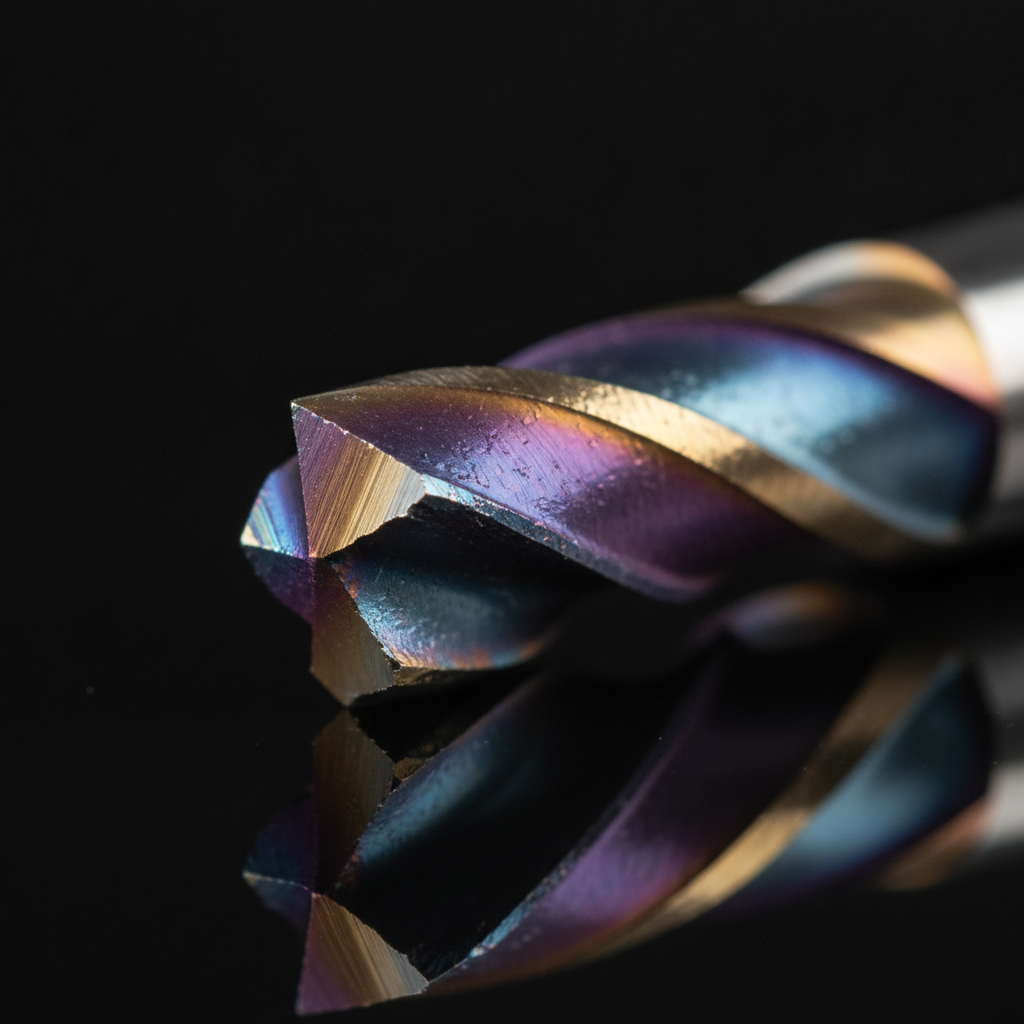
Tool coating is a surface engineering method that deposits hard, low-friction layers on tools to cut wear and heat. The payoffs are longer life, cleaner release, and fewer changeovers—especially on high-strength steels, sticky aluminum, and molded polymers.
Start from the problem on your floor. Your AHSS die is picking up aluminum every third hit, and the press crew keeps stopping to wipe. Or your aluminum cutter is welding material to the edge by mid-morning. In our experience, these are chemistry-and-thickness problems more than machine problems.
- Stamping galling (AHSS, aluminum): We default to AlCrN on AHSS above 980 MPa; TiN tends to gall early. On aluminum pickup, a DLC top layer reduces adhesion and evens out finish.
- Built-up edge in machining (non-ferrous): DLC helps the chip flow and limits welding; on ferrous interrupted cuts, AlCrN handles heat better than TiN.
- Die cast soldering/erosion: AlCrN resists soldering; localized Thermospray can armor gates and runner inlets where erosion chews through.
If you want the theory, our PVD coating guide explains how film chemistry and thickness interact. For practitioners, the short version is: pick a film that answers your failure mode, then hold prep and post-finish steady.
The Two Core Coating Technologies: PVD vs Thermospray (Pulsed HVOF)
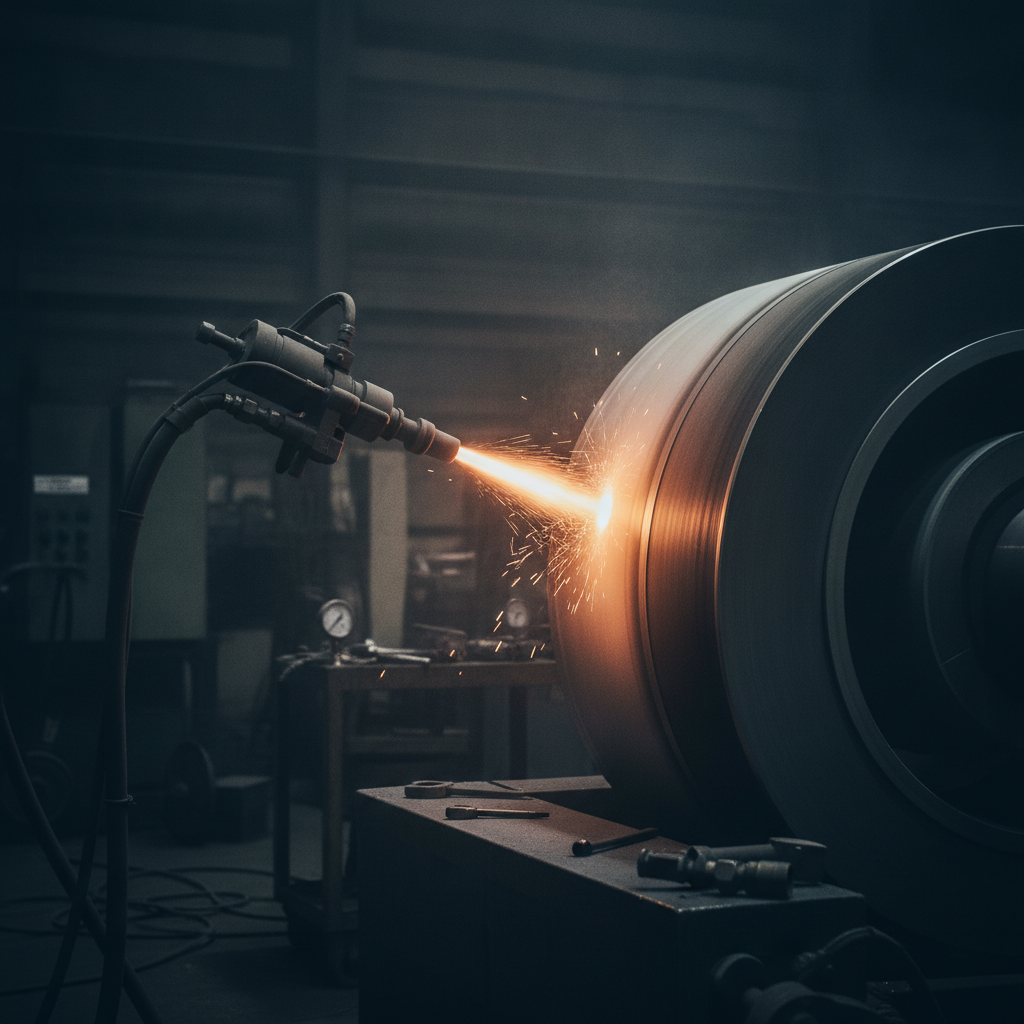
Use PVD when you must keep edges sharp and friction low; use Thermospray when you need real thickness and impact/erosion resistance. We run both daily and steer to the one that matches your dominant failure mode.
| Criteria | PVD thin films | Thermospray (Pulsed HVOF) |
|---|---|---|
| Typical thickness | ~1–5 µm | 50–500+ µm |
| Edge sharpness | Excellent (minimal buildup) | Not suited to ultra-keen edges |
| Primary defense | Abrasion, adhesive wear, heat | Abrasion, erosion, impact, corrosion |
| Best for | Cutters, molds, dies, sealing lands | Rollers, plungers, sleeves, wear faces |
| Chemistries | TiN, TiAlN, AlCrN, DLC | Carbides and alloy blends |
On cutting tools, TiAlN/AlCrN keep hardness at temperature and preserve geometry. DLC is our go-to on non-ferrous work when chip welding shows up. For heavy-wear components, pulsed HVOF builds dense overlays that shrug off abrasion and corrosive splash. Our PVD deposition guide details how parameters (bias voltage, substrate temperature) push hardness and adhesion—useful if you’re specifying for interrupted cuts.
Matching the Right Coating to Your Application
Choose coatings by failure mode. PVD solves heat, galling, and release on sharp or precision features. Thermospray solves thickness, abrasion, and impact on flats, sleeves, and rollers. Below are default calls we make on real parts.
- Stamping applications:
- AHSS die faces: AlCrN is our baseline; it holds up under high contact stress.
- Aluminum pickup: DLC top layers reduce adhesion and stabilize cosmetic finish.
- Localized wear flats: Pair PVD on cutting edges with Thermospray build-ups on flats.
Reference surfaces and wear flats are mapped during incoming inspection; our industrial coatings services page shows typical target areas.
- Machining and cutting:
- High-heat ferrous cutting: TiAlN/AlCrN handle thermal load without rounding the edge.
- Non-ferrous BUE: DLC lowers friction to keep chips moving and edges clean.
- Interrupted cuts: Favor AlCrN for thermal shock tolerance.
If you need the lab view, our PVD overview breaks down typical thickness and roughness targets.
- Aluminum die cast / extrusion:
- Soldering: AlCrN resists sticking through thermal cycles.
- Erosion at gates/runners: Targeted Thermospray overlays extend intervals between refurbish.
For broad context, see representative industrial coating case studies that illustrate wear mapping.
- Plastic processing:
- Molds and screws: DLC reduces friction and cleans up demolding.
- Abrasive fillers: Nitrides via PVD add wear resistance without changing geometry.
Polymer behavior matters for release; this primer on thermoplastic vs. thermosetting helps align expectations.
- Components (shafts, sleeves, plungers):
- Abrasion/corrosion: Pulsed HVOF provides thickness and density where it counts.
- Sealing lands: Finish with a PVD film to control friction and wear.
If you’re comparing chamber throughput and batch stability, our PVD systems guide outlines how SPUN capacity helps large runs stay consistent.
The Full Coating Process — What Happens Before and After Deposition
Adhesion and performance are set by prep and post-finish as much as chemistry. We handle blasting, cleaning, masking, coating, and lapping in-house so geometry, roughness, and thickness repeat from prototype through volume.
- Incoming assessment: Confirm substrate/hardness, prior coatings, and the actual failure mode. Define target roughness (Ra/Rz) and edge prep.
- Preparation: Sandblasting or microblasting creates a controlled anchor; degreasing/ultrasonic cleaning removes oils and residues.
- Masking & fixturing: Protect datums and seals. Orient for line-of-sight (PVD) or optimal impact (Thermospray).
- Deposition: PVD thin films (including DLC) for conformal, sharp coverage; pulsed HVOF when you need durable thickness.
- Post-processing: Strip (for refurbish), polish and lap, then measure thickness, hardness, and roughness in the QC lab.
- Documentation: Batch traceability under ISO 9001:2015; N299.3 vendor controls for nuclear work.
On polymer tooling, small handling choices make or break adhesion. Simple practices from general polymer quality control—like clean storage and controlled anti-corrosion oils—avoid residues that can undercut coatings and molding.
How to Evaluate a Tool Coating Service Provider
Don’t buy a coating name; buy process control and fit. Validate certifications, in-house scope, capacity, and the engineering logic that ties your failure mode to chemistry and thickness.
- Certifications that matter: ISO 9001:2015 for quality systems; N299.3 vendor approval for nuclear programs.
- Capacity you can plan around: Multiple PVD systems (SPUN 2,000 and SPUN 4,000) and a Thermospray cell keep prototypes and large batches flowing.
- In-house scope: Blasting, cleaning, masking, stripping, polishing, lapping, and QC in one shop reduce handoffs and variation.
- Engineering partnership: Expect application notes, edge-prep guidance, and surface data (thickness, hardness, roughness) with your parts. Our surface heat treat & coatings primer shows how we align treatments with wear modes.
- Local access: Proximity in Woodbridge helps same-day drop-offs and tight changeovers.
Tools and resources
- Process parameters that drive adhesion and hardness: PVD deposition guide
- Chemistry and film selection basics: PVD coating guide
- Where thickness beats thin films: high-performance coatings
Local considerations for Woodbridge
- Batch tool drop-offs near SmartCentres Woodbridge to sync with shift changes and reduce idle time.
- Summer humidity can leave storage oils behind; schedule degreasing and coating back-to-back to keep surfaces pristine.
- Avoid peak traffic around Weston Rd / Highway 7 for pickups so your changeovers stay on schedule.
Key takeaways
- PVD for edge-critical, low-friction surfaces; Thermospray for thickness and impact.
- Failure-mode-first selection beats brand-name-first selection.
- Prep and post-finish control adhesion, not just chemistry.
- Local access in Woodbridge shortens urgent re-coat cycles.
FAQ
Which is better for cutting tools, PVD or Thermospray?
PVD is the usual pick for cutting tools because it forms thin, hard films that keep edges sharp and resist heat. Thermospray is the better choice when you need thickness and impact resistance on wear flats, sleeves, or rollers.
How do you decide the right coating chemistry?
Start with the failure mode—heat, galling, abrasion, or corrosion—then pick the system that answers it. TiAlN/AlCrN handle hot ferrous cuts; DLC lowers friction on non-ferrous; pulsed HVOF adds dense, durable thickness for heavy-wear faces.
What prep steps matter most for adhesion?
Repeatable blasting for a controlled anchor profile, thorough degreasing/ultrasonic cleaning, and correct masking/fixturing. Those steps usually decide adhesion before the chamber ever starts.
Can you refurbish worn tooling instead of replacing it?
Often yes. We strip legacy films, rebuild local wear with Thermospray when needed, and re-apply a PVD film (including DLC on release-critical areas). That restores geometry, finish, and service life without a new tool build.