
Press Release January 10, 2025

SCALABLE AUTOMATION STARTS WITH FLEXIBLE DESIGN

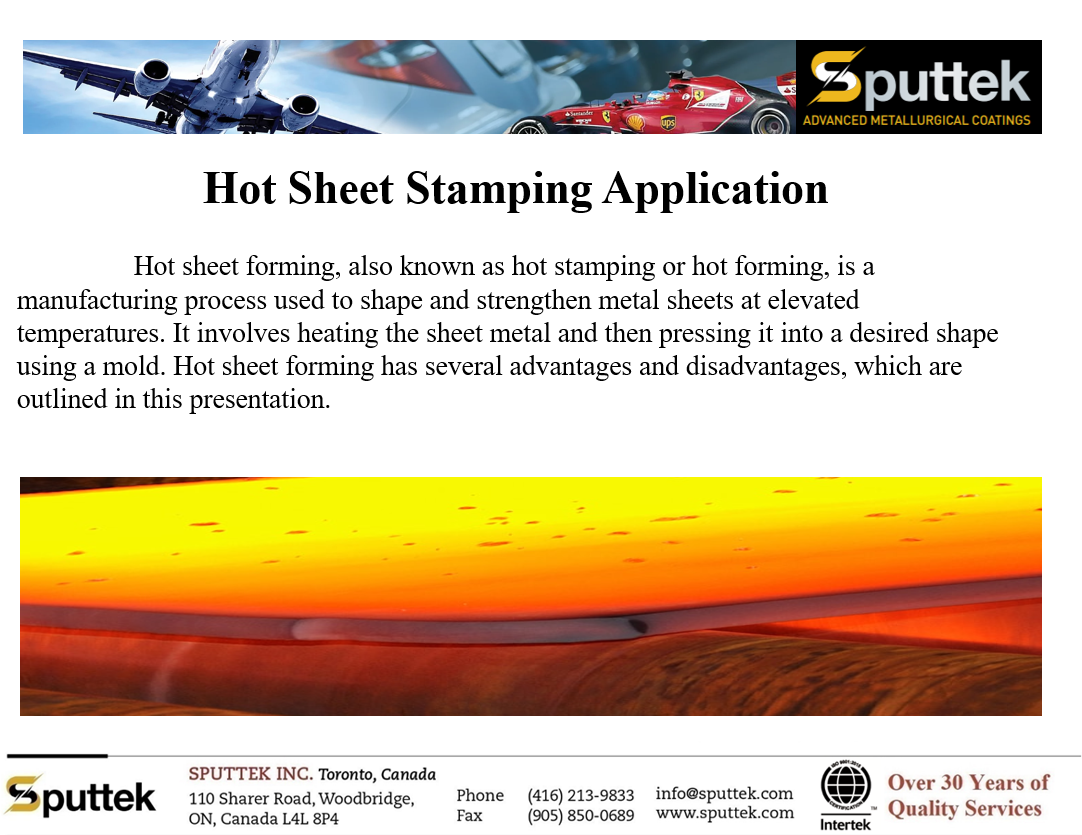
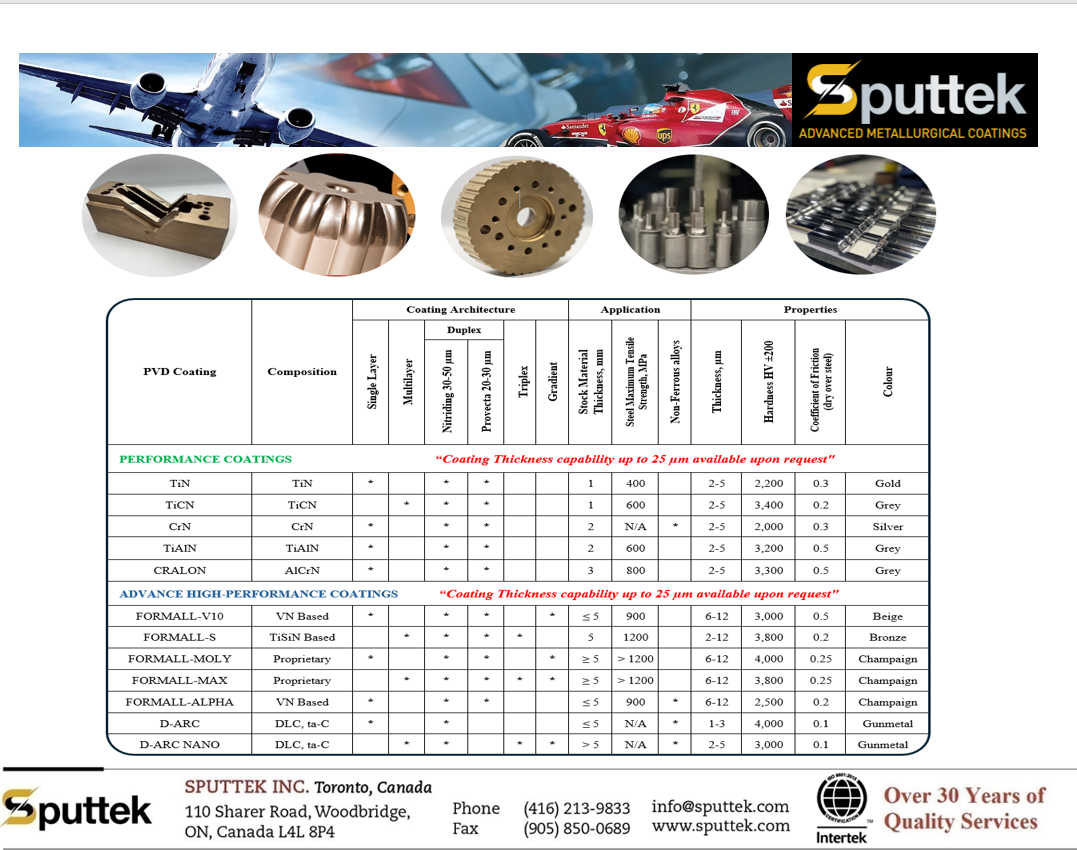
As industries evolve, automation is no longer just a tool—it’s the driving force behind a complete operational shift. With pressure mounting to boost efficiency, reduce labor costs, and increase output, the conversation around industrial automation is gaining intensity. But is this wave of innovation truly transformational, or just the next logical disruption? Sputtek offers a variety of PVD coatings for cold and hot work tooling to help extend the life of your tool.
For your reference, below is a table that shows various coatings for specific applications.

At Sputtek, we explore this pivotal moment from the inside. In this article, we’ll break down the technologies pushing the boundaries of industrial operations and explain why automation is more than a trend—it’s becoming the backbone of modern industry.


WHAT IS INDUSTRIAL AUTOMATION?

Industrial automation refers to the use of control systems—such as computers, sensors, PLCs, and robotics—to handle processes with minimal human intervention. Common forms include:

These technologies help eliminate variability, reduce downtime, and maximize throughput—all while maintaining consistent product quality.


KEY BENEFITS OF MODERN AUTOMATION

Embracing automation opens the door to several key advantages:

Whether you’re scaling up a factory or optimizing legacy workflows, automation is the key to long-term resilience.


WHY IT’S MORE THAN A DISRUPTION

While automation can initially feel like a disruption—especially to legacy systems—it’s increasingly viewed as transformation when paired with strategic implementation. Companies are no longer automating for speed alone; they’re rethinking system design, supply chains, and workforce training from the ground up.

Automation isn’t just replacing tasks—it’s redefining how work is structured.

At Sputtek, we believe that automation isn’t about replacing people—it’s about equipping them with the tools to do more, smarter. The factories of the future won’t just run faster; they’ll run with intention, insight, and adaptability built into every layer. By embracing intelligent automation today, you’re not just catching up—you’re positioning your business to lead the next wave of industrial innovation.

You may also like

Which factors should you evaluate for prototype coating runs?

Which factors should you evaluate for prototype coating runs?

Checklist for engineers scoping prototype coating runs: choose PVD or HVOF, prepare parts and fixturing, request objective tests, and vet…
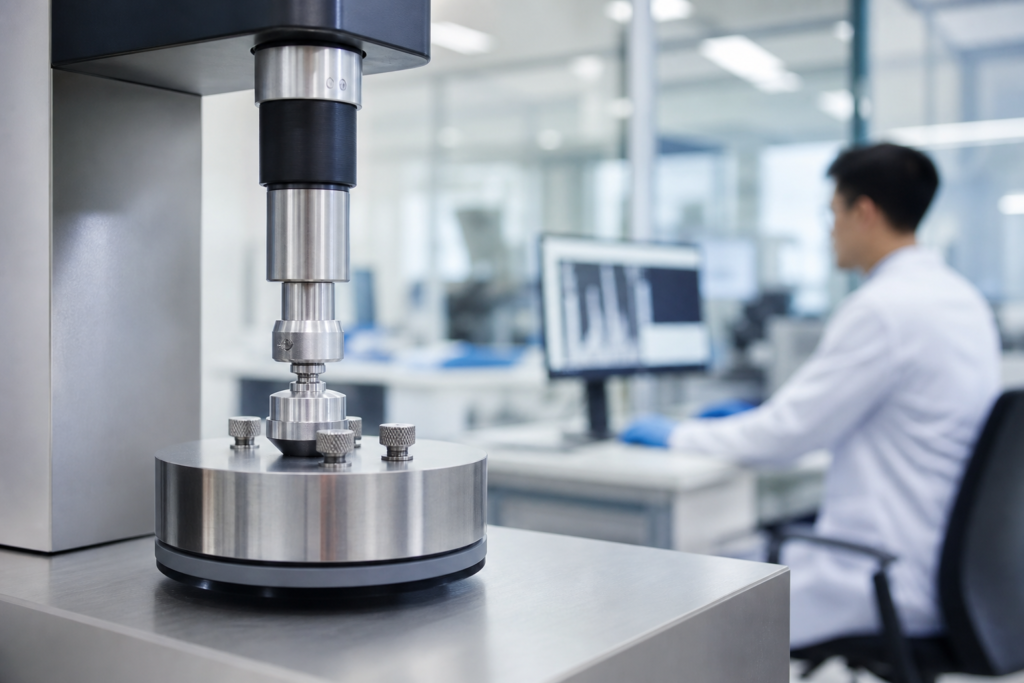
What is coating adhesion testing and why does it matter?

What is coating adhesion testing and why does it matter?

Coating adhesion testing assesses how firmly PVD, DLC, and thermospray coatings bond to substrates. Understand common methods, limits, and lab-ready…
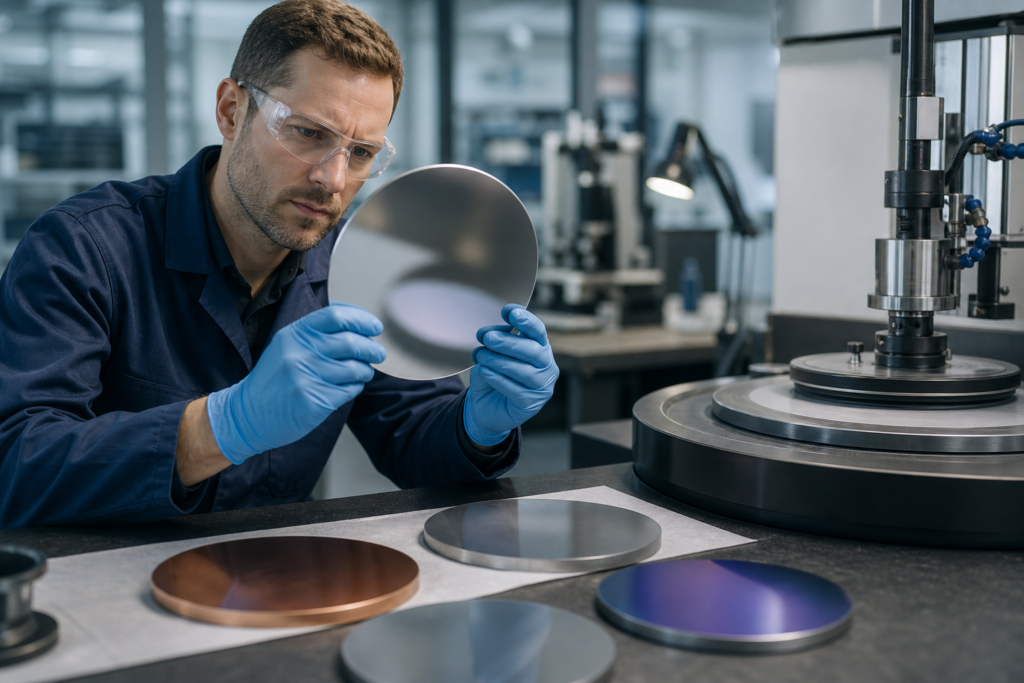
What mistakes should you avoid when specifying lapping after coating?

What mistakes should you avoid when specifying lapping after coating?

Avoid specification pitfalls when requesting lapping after coating. Decision checks, vendor questions, QC tests, and a copy-ready supplier checklist.