

How do you evaluate Toronto PVD coating vendors?
Choosing a local PVD coating supplier requires more than a price comparison. Technical fit, in-house pre and post processing, certified quality systems, capacity to scale, and local environmental compliance all affect part performance and program risk. This checklist walks manufacturing engineers, toolmakers, production leads, and procurement teams through eight verifiable steps to qualify Toronto PVD coating vendors and reach a confident go or no go decision.
Checklist at a glance: the eight verification steps
Print or paste this one-line checklist into your RFQ evaluation matrix. Treat any missing mandatory item as a stop point until the vendor produces the requested evidence.
- Step 1: Define the part, performance targets, and acceptance criteria
- Step 2: Confirm process fit — PVD, DLC, or Thermospray (pulsed HVOF)
- Step 3: Verify facility equipment and in‑house pre and post processing
- Step 4: Confirm certifications, QA systems, and traceability
- Step 5: Confirm capacity, cycle size, and logistics for prototype to volume
- Step 6: Require QC lab testing, acceptance tests, and sample coupons
- Step 7: Verify environmental and municipal approvals in Ontario and Toronto
- Step 8: Request documents, use a vendor scorecard, and set go or no go rules
Step 1: define the part, performance targets, and acceptance criteria
Start every vendor conversation with a precise engineering brief. If a vendor cannot respond to these items, do not proceed.
What to include in your RFQ
- Part geometry, material specification, and heat treatment condition.
- Critical surfaces to be coated and surfaces that must remain uncoated.
- Target functional metrics such as minimum coating thickness range, maximum allowable friction coefficient, intended load cycles, or exposure conditions.
- Acceptance tests and sampling frequency for first article and production batches.
- Any regulatory or OEM requirements including nuclear, aerospace, or medical restrictions.
Key takeaway: if a vendor returns a quote without acknowledging these acceptance criteria, treat the quote as incomplete.
Step 2: confirm process fit — when to ask for PVD, DLC, or Thermospray (pulsed HVOF)
Match the coating family to failure mode. PVD and DLC coatings often excel at low friction and precision thin films, while thermospray and pulsed HVOF deliver thick, wear and corrosion resistant metal and cermet overlays. Ask about process limits, adhesion methods, and whether the vendor can provide material data sheets and past application examples.
Ask vendors to state which of the following they offer and when they recommend each option: physical vapor deposition, diamond like carbon (DLC), thermospray, or pulsed HVOF. If the vendor cannot explain why one process suits your failure mode better than another, remove them from short list consideration. For capability context see the PVD Coating Companies page on the company site for company process ranges and examples: PVD Coating Companies.
Step 3: verify facility capabilities and in‑house pre and post processing
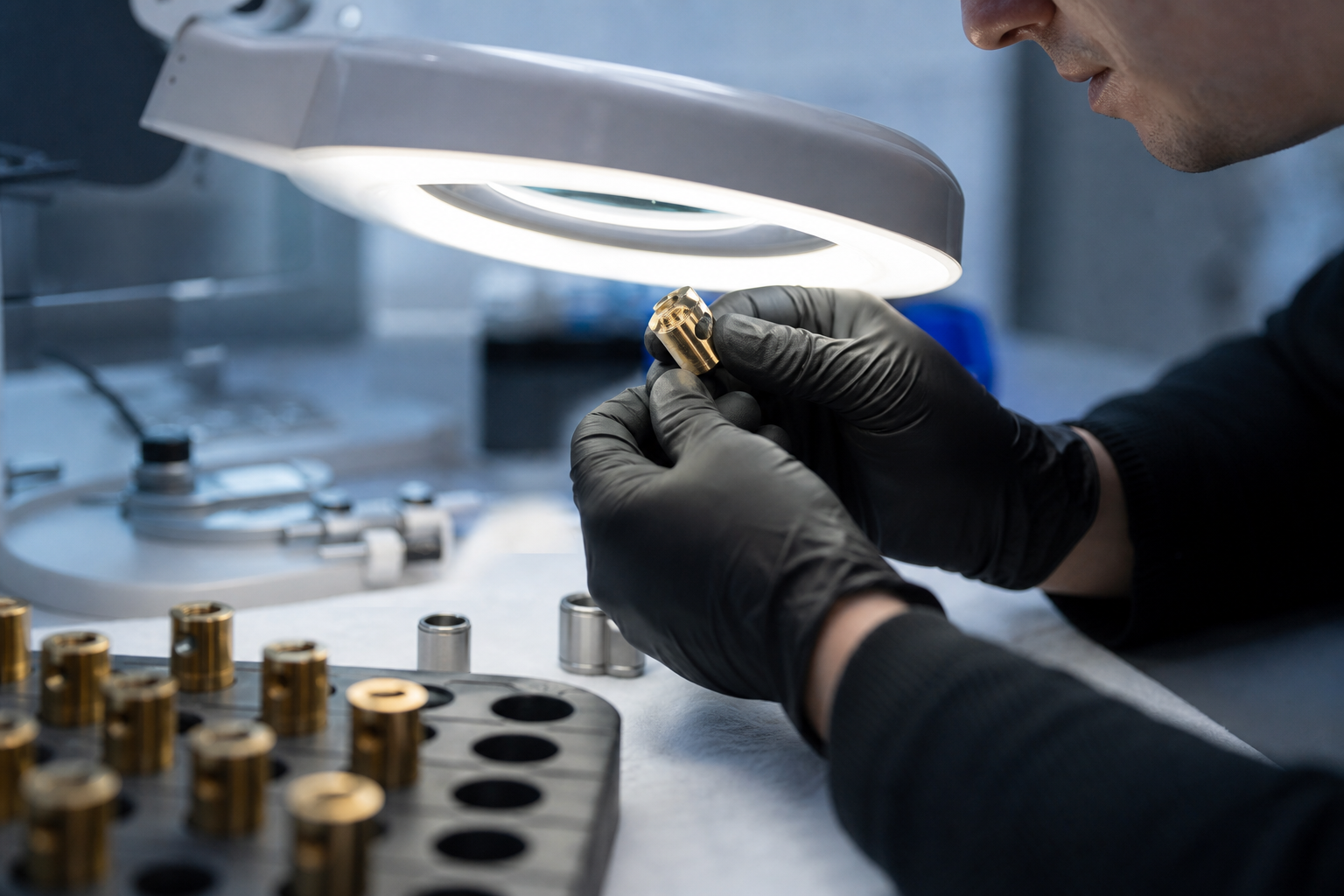
Minimize risk and lead time by preferring vendors that perform surface preparation and post processing in house. Ask for proof of the specific operations you need and their throughput.
Processes to verify
- Surface preparation: sandblasting, microblasting, and chemical degreasing.
- Masking and fixturing capabilities for complex geometries.
- Coating equipment details, maximum batch weight, and part size limits.
- Post processing: stripping, polishing, and precision lapping.
- Onsite QC laboratory that can perform thickness and adhesion tests.
When vendors claim full service capability, request process flow diagrams and photos of the cells or equipment. If they outsource essential preparation or finishing steps, confirm who the subcontractor is, how QC and traceability are preserved, and whether lead times will be affected.
Step 4: confirm certifications, QA systems, and traceability
For regulated or high duty applications insist on formal quality systems and vendor approvals. Ask for current certificates and the scope of each certificate.
- ISO 9001:2015 certificate and the certificate number or a copy of the scope page. Vendors should show the scope includes coating operations.
- Sector approvals such as Nuclear N299.3 for nuclear applications. Vendors that list Nuclear N299.3 should provide documentation of the approval and its scope. Claim verification should include the issuing body or audit reference.
- Internal document control, batch traceability, and record retention policies for heat numbers, lot IDs, and test records.
When a vendor provides these certificates, request recent audit dates and the precise scope to make sure your part families are covered. If a vendor cannot supply current certificates, treat that as a stop point for regulated work. For example Sputtek advertises ISO 9001:2015 certification and Nuclear N299.3 vendor approval on their company site, which you should request as part of your evidence pack when considering them for regulated programs. See the company site for details: Sputtek.
Step 5: confirm capacity, cycle size, and logistics for prototype to high volume runs
Vendor capacity is a common hidden constraint. Ask concrete, verifiable questions and require documented answers.
Questions to require written answers
- Maximum part weight and cycle capacity per run, plus examples of jobs at similar scale.
- Typical lead time for first article and for standard production batches at your target quantity.
- Batch scheduling policy and how they manage rush or downcycle periods.
- Packaging, kitting, and logistics options for fragile or precision parts.
Vendors that own high capacity PVD systems and can show equipment capacities and past production examples reduce the risk of late surprises. When throughput or cycle size is critical, require a trial batch before committing to a volume agreement.
Step 6: require QC lab testing, acceptance tests, and sample coupons

Make objective acceptance criteria non negotiable. Specify the tests you will require and ask suppliers to submit original results for first article parts and production lots.
Tests to request with your RFQ
- Coating thickness mapping with measurement points and method.
- Adhesion testing results such as scratch or pull tests and the test method used.
- Hardness and microhardness where relevant to your wear mode.
- Wear or friction test reports for representative coupons if available.
- Corrosion resistance tests such as salt spray if corrosion protection is required.
Require vendors to deliver coupon samples coated alongside your first article for independent lab verification if you need third party assurance. If a vendor cannot produce adhesion or thickness test results on request, that is a reasonable stop point for awarding work.
Step 7: verify environmental and municipal approvals in Ontario and Toronto
Metal finishing and coating operations are subject to environmental approvals and local air permitting in Ontario. Confirm whether the vendor holds Environmental Compliance Approvals or other municipal permits and how they manage emissions and waste.
Use the Ontario Environmental Registry to check public notices and issued approvals. Public examples of Environmental Compliance Approval notices and registration decisions are available on the registry and illustrate the types of instruments you should search for in vendor due diligence. See ERO notices and approvals for coating and plating facilities as examples: ERO notice 026-0238, ERO notice 025-0746, and ERO node 14062. The Ontario guide to applying for an Environmental Compliance Approval explains the document types and special cases: Guide to applying for ECA. The City of Toronto pollution prevention program for metal finishing is useful background: Toronto P2 program.
Ask the vendor to provide the following as part of their evidence pack:
- Copies of any Environmental Compliance Approvals, air permits, or registration confirmations relevant to coating operations.
- An operations summary that explains how emissions are controlled and how waste is managed and disposed.
- Contact details for their environmental officer or compliance contact and recent inspection or audit records if available.
If a vendor cannot demonstrate basic regulatory compliance or refuses to provide permit documentation, treat that as a stop point before awarding work in Ontario.
Step 8: request documents, use a vendor scorecard, and set go or no go criteria
Collect hard evidence from shortlisted vendors and score them objectively. Below is a practical list of documents to request and a simple scoring framework to use in purchase decisions.
Documents to attach to every quote
- Process flow diagram and equipment list that includes maximum cycle size and part dimensions.
- Current ISO and sector approval certificates with the scope page included.
- Sample test reports for coating thickness, adhesion, and any requested wear or corrosion testing.
- Capacity statement that shows past projects of similar size and a sample production schedule.
- Environmental compliance documents or permit references for Ontario operations.
- Non disclosure agreement template and IP handling procedures if you will submit confidential prototypes.
Simple vendor scorecard
Score each vendor 0 to 5 on these categories and multiply by the weight that matters most to your program.
- Technical fit and process recommendation
- In house preparation and finishing capability
- Quality system evidence and sector approvals
- QC testing and sample results
- Capacity and proven volume runs
- Environmental permitting and compliance
- Commercial terms and lead time
Set clear stop points such as: missing ISO 9001:2015 for regulated work, no adhesion or thickness testing evidence, or lack of environmental approvals relevant to Ontario operations. After your scorecard identifies the top candidate, require a paid capability review or a low volume pilot run with specified acceptance tests before awarding full production work.
Frequently asked questions
What minimum documents should I ask a Toronto PVD coater to attach to an RFQ?
At minimum request a process flow diagram, current ISO certificate with scope, recent adhesion and thickness test reports, a capacity statement for batch size, and any environmental compliance documents relevant to their Ontario location.
How do I confirm a coating vendor holds an Environmental Compliance Approval in Ontario?
Search the Ontario Environmental Registry for public notices and orders, and ask the vendor to provide copies of Environmental Compliance Approvals or registration confirmations. Public examples of ERO notices for coating and plating facilities illustrate the record types to look for on the registry.
When is pulsed HVOF a better choice than PVD or DLC for wear resistance?
Pulsed HVOF and other thermospray methods produce thicker, dense metal or cermet overlays that excel in heavy abrasive wear and corrosion. PVD and DLC deliver thinner, low friction films suited to high precision sliding contacts. Ask vendors to justify process selection using your failure mode and provide coupon test data where possible.
What are reasonable stop points if a vendor cannot provide adhesion or thickness test results?
Reasonable stop points include no test records for first article parts, refusal to supply coupon samples for independent testing, or no onsite QC capability to measure thickness and adhesion. For regulated or high duty applications do not proceed without verifiable test evidence.
Can a Toronto PVD coater support confidential prototypes and IP protection requests?
Many vendors accept NDAs and maintain documented IP handling procedures. Request a vendor NDA template, their process for tooling ownership and return of confidential tooling, and evidence of secure handling before shipping proprietary prototypes.
Final practical step: collect the items listed in Steps 1 through 8, score candidates, and require a paid capability trial before committing to production. Do you want a local partner with in house PVD, DLC, and thermospray capabilities plus ISO and sector approvals to run a pilot for your parts?